人鱼小姐
Nonprofit seeks insight from devices left behind by veterans who died by suicide_我的网站

一 | The cell phones, tablets, and laptops left behind by veterans who died by suicide may offer insight that could help prevent future military suicides, according to a nonprofit dedicated to analyzing the data from the devices.Stop Soldier Suicide collects the technology as part of its initiative, "The Black Box Project," which is named after the black boxes found on planes that help determine the cause of aviation incidents."If we could gather novel data from those that have died by suicide, we might be able to recreate the last year of life," Stop Soldier Suicide CEO Chris Ford told ABC News.Veterans are 57% more at risk for suicide than non-military adults and around 6,000 veterans die by suicide each year, according to the Department of Veterans Affairs."I think we can prevent needless suffering and a ton of loss of life," Ford said.That kind of loss is something David McDaniel, whose son Connor died by suicide at the age of 26, knows all too well.Connor McDaniel joined the Army after high school, and, according to David, he appeared upbeat during his deployment to Afghanistan, where he was assigned to protect local villages from the Taliban."Some of his Army buddies told me that he was making them laugh while they were being shelled in Afghanistan," David McDaniel told ABC News.But it wasn't long after Connor came home that David McDaniel says he sensed a shift in his son's behavior to include "more anger, a lot of frustration, a lot of gloominess."On Sept. 1, 2021, David says his son entered a wooded area with a firearm."I start screaming his name as I'm walking up the field. And just then the police, the sheriff's department shows up and they tell me to come back down," McDaniel said.He followed their direction, but on the car ride home, an officer called him and said Connor was dead after he fired upon sheriff's deputies and the deputies returned fire and killed him.Connor's death was determined to be a suicide. The district attorney's office concluded that the officers' actions were justified.While grappling with his son's death, David McDaniel was immediately drawn to the Black Box Project, which uses forensic software to unlock and comb through service members' devices provided by their loved ones to review their activity in the weeks leading up to their suicides.McDaniel works in the tech field and says if the project can find repeated patterns in online searches, they may be able to help others to prevent suicides.For instance, McDaniel says his son searched for SGLI, Servicemembers' Group Life Insurance, before his death. If a veteran were to make a similar search and look up "suicide" in the future, for example, McDaniel suggests it could trigger an ad for Stop Soldier Suicide to pop up and provide resources in the search results.Ford says the nonprofit uses machine learning, a subfield of artificial intelligence, to analyze texts and notes in order to determine sentiment or emotional tone, such as anger or desperation. He says they can also track phone usage of the deceased veterans to monitor their past sleep cycles and trace their past geo-locations."Machines can go through computations a lot faster than humans, and they can find signals that we often miss," Ford said.Since launching the Black Box Project in April 2020, Stop Soldier Suicide has received over 100 devices, Ford said. So far, he says they're seeing three patterns before most of these suicides: more anger, different sleep patterns, and social isolation.Ford's team includes Ph.D.s in clinical psychology and suicide researchers. A scientific advisory committee helps steer where and what to look for on the devices.The findings are still preliminary, according to the nonprofit, but one goal is to help the organization decide where, when, and how to target their own mental health resources, like adding more hotline staff at certain hours and ensuring calls are picked up overnight.When asked about privacy concerns of collecting data, Ford said it's something they think about daily."We don't resell the data. We don't push it out to others. We use it for our own research purposes so that we can best understand risk and then give those devices back to those families intact," Ford said.Current privacy laws do not carry on past death, meaning the next of kin typically gains new authority.Petra Oxford-Jackson, whose veteran husband Anthony died by suicide, says she gave his phone to the organization with the possibility it could save even one life."I truly believe he would have been okay with it, and it's a hard thing for a survivor to give up something so personal as his cell phone," Oxford-Jackson told ABC News.The Black Box Project received $3 million in funding from the Department of Veterans Affairs earlier this year.If you are struggling with thoughts of suicide or worried about a friend or loved one, call or text the Suicide & Crisis Lifeline at 988 for free, confidential emotional support 24 hours a day, seven days a week.。 □魏佑湖 莱芜,春秋时期为嬴邑、牟国、平州邑辖地,汉代置莱芜县。隋时,设在淄川的莱芜县撤销。长安四年(704年)复置莱芜,当时邑境历经废置,城垣倾颓、市井荒芜,百姓流离四散,百业凋敝难兴。莱芜县治迁至今莱芜区境内的首任县令贾璞,目睹残城断垄、民无居处之萧条,以五年勤勉深耕,兴城建、通商贾、安流民、厚教化,于一片丘墟之上重立嬴城气象。

二 | 贾璞在莱芜当了五年县令,心底装着百姓,踏踏实实办了六桩实事,这些功绩全都记在了唐经幢铭文里。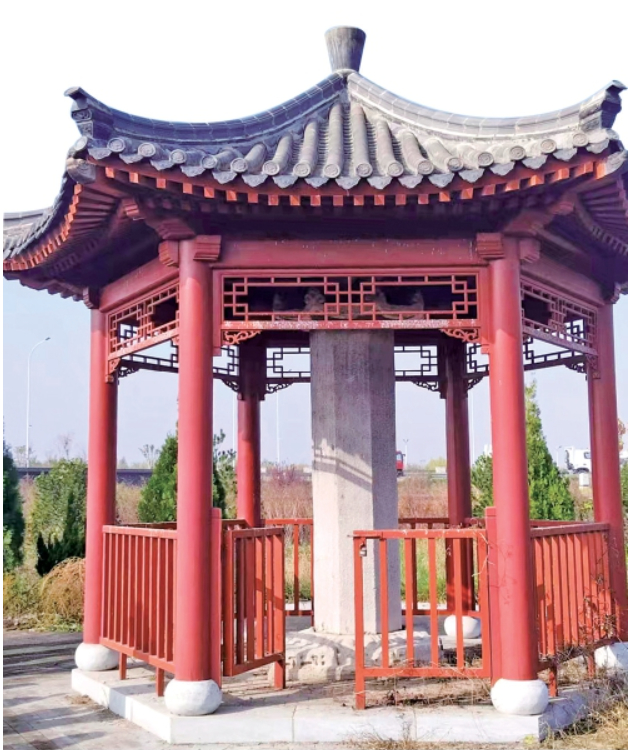 现唐经幢全貌
重修城池街巷 建起莱芜第一座老城
荒废百年,这里没有像样的县城,衙门、道路、城墙全都衰败了。贾璞带头修整城墙,护着百姓安稳过日子;修补县衙、驿站,官府才有地方办公接待;划分街道、居民区,规划集市商铺。
现唐经幢全貌
重修城池街巷 建起莱芜第一座老城
荒废百年,这里没有像样的县城,衙门、道路、城墙全都衰败了。贾璞带头修整城墙,护着百姓安稳过日子;修补县衙、驿站,官府才有地方办公接待;划分街道、居民区,规划集市商铺。

三 | 短短几年,荒坡变城池,房屋整齐、街市热闹,重修城墙官署,搭建完整县城格局,给百姓安定居所,奠定唐代莱芜县城基础。碑文形容当时的新景象:人物凑衣冠之地,城池生丹雘之容,壮丽一时。后世上千年修缮莱芜老城,全是沿用贾璞当年规划的底子。

四 | 体恤流离百姓 招引乡民回乡安家 当年,莱芜境内地旷人稀、民生微薄,本地人大都逃难去泰安、淄博,境内十室九空。贾璞学父亲贾思玄“急农学而缓征徭”的为官之道,处处给百姓减负。

五 | 他广开商贸渠道,出台抚民惠农政策,增设乡政、补助生产,轻徭薄赋鼓励耕织。愿意回乡的人家,官府分荒地、发口粮。 贾璞还想出以工代赈的法子,百姓修城、铺路、建房,官府直接给粮食、分田地,绝不白使唤人。四方百姓听闻莱芜官好政宽,拖家带口往回赶,经幢文中写“归之如市”,荒寂乡野慢慢有了人间烟火,人口、农桑快速恢复,终结长期荒疏局面。 理清村镇地界 管好乡里百姓琐事 荒废太久,各村边界模糊,田地分不清是谁家的,邻里常因土地争吵,基层也没有规整管理。贾璞走遍莱芜山川,划定全县疆界,厘清各村田产,化解乡间纠纷;增设乡级建制,理顺地方管理秩序,厘清户籍田亩,减少流民、私垦乱象,县域行政体系重新运转,社会秩序由乱转稳。

六 | 依照碑文“增置乡数”的记载,重新划分乡镇村落,完善基层管理。 同时选中口镇、蔡家镇、陶镇古道要道设立集市,方便百姓买卖,慢慢形成口镇、蔡家镇、李家镇、陶镇一众古村,口镇也从此成了莱芜千年商贸重镇,全境治理井井有条。 利用本土物产 带领百姓种地致富 莱芜山里铁矿多,土地适合种桑养蚕,荒废之后农耕、冶铁全都停了。贾璞因地制宜富民兴业,也就是铭文里说的“开货殖之路,寻加本钱”: 一是劝百姓开荒种地、养蚕织布,保证家家户户衣食充足;二是放开山林铁矿,允许百姓打造农具、日用铁器,官府规范管理,不独占矿藏;三是打通连通泰安、淄博的山路,降低集市税费,招揽各地商人前来交易。农、桑、冶、商一同兴旺,彻底摆脱贫瘠,达成碑文所言“既庶且富”。 为官清正公道 保莱芜一方平安 贾璞是西汉贾谊后人,家风正直清廉,做官不贪财、不欺压乡民。百姓打官司,他断案公允,不偏不倚;严格管束手下差役,不准下乡搜刮、骚扰百姓。 邻县乾封主簿赵太昚亲眼见证莱芜新气象,撰文刻在经幢上:仆忝职邻邑,倾美下风,意思是我在隔壁县城做官,满心羡慕莱芜的太平光景。当时莱芜是鲁中一带治理最好的县城,民风和顺,少有纷争。 刻石教化民风 留下千年乡土物证 贾璞推崇儒学教化,同时兴建寺院、造立经幢,以佛法劝民向善,教化百姓安分守礼,化解乡邻纷争,重塑淳朴乡风。贾璞十分孝顺,父亲贾思玄曾做三县县令,一生爱民清廉,辞官后跟着儿子定居莱芜养老。景龙三年(709年)四月初八浴佛节,贾璞拿出自家积蓄,以父亲名义在蔡家镇正真寺(也有人说叫“龙真寺”,与李家镇的“龙泉寺”相呼应)旁修建佛顶尊胜陀罗尼经幢,既是祈福安民,亦刻下治县功绩留存后世。也就是老百姓口中的“八棱碑”。 铭文完整记录莱芜复置县始末与唐代县域建设史实,弥补本地唐初史料缺失,成为考证古嬴城、唐代莱芜建制的核心实物史料,也让后人永远记得这位为民操劳的好官。 这座矗立千余年的唐经幢,青石无言,字字皆是见证。当年贾璞一腔仁心、实干兴莱的六大功绩,尽数镌刻于石刻之上,留在嬴牟山川间。

七 | 从古至今,莱芜百姓从未忘记这位复邑开城的首任贤令,他轻徭安民、通商兴冶、清廉教化的治政本心,也化作乡土间代代相传的人文底色,长久滋养着这片莱芜大地。

八 |
Current article:http://k7tktc.mexuanmeixuyaopinzheng.shop/news/20260826_779402.html
Published on:13:26:40
 情牵两世
情牵两世 醉玲珑
醉玲珑 白夜追凶
白夜追凶 毛骗
毛骗 假装情侣
假装情侣 非诚勿扰
非诚勿扰 面对面
面对面 人间正道是沧桑


